


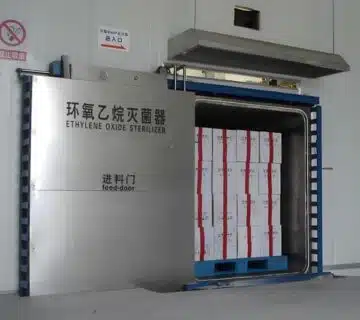
EO gas sterilizers are vital in healthcare and manufacturing. They ensure medical devices and products are free from harmful microorganisms. This blog explains how to calculate EO gas usage and highlights safety measures. It also covers essential auxiliary equipment for safe operation.
Understanding Process of EO Gas Sterilizer
EO gas sterilization is a chemical process. It uses ethylene oxide gas to kill bacteria, viruses, and fungi. This method is effective for heat-sensitive items. Examples include plastic medical devices and electronic equipment. The process involves three main stages: conditioning, sterilization, and aeration. Each stage must be carefully controlled to ensure effectiveness and safety.
Calculating EO Gas Usage for Different Products
The amount of EO gas needed varies based on product type and load size. Here’s a simple breakdown:
Medical Devices and Equipment
For medical devices, EO gas concentration is typically measured in milligrams per liter (mg/L). The required amount depends on material type and packaging. For example, plastic devices often need higher concentrations than metal ones. A general rule is to use 450-600 mg/L for standard loads. Always check manufacturer guidelines for specific products.
Textiles and Fabrics
Textiles require careful EO gas calculation due to their porous nature. The gas must penetrate deeply to ensure complete sterilization. For fabrics, a concentration of 300-450 mg/L is usually sufficient. However, thick or layered materials may need higher doses. It’s important to test small batches first to determine the optimal amount.
Electronic Components
Electronic devices are sensitive to EO gas. The gas can corrode metal parts if not properly controlled. For electronics, use a lower concentration of 200-300 mg/L. Ensure the gas exposure time is minimized to prevent damage. Always follow industry standards for electronic sterilization.
General Guidelines for EO Gas Usage
To calculate EO gas usage, consider these factors:
Load size: Larger loads need more gas.
Material type: Porous materials absorb more gas.
Temperature and humidity: These affect gas penetration.
For example, a standard sterilization cycle might use 500 mg/L for a 20-liter load. Adjustments are needed based on the factors above. Always consult sterilization experts before finalizing the amount.
Safety Measures During EO Gas Sterilization
Safety is critical when using EO gas sterilizers. EO gas is highly flammable and toxic. Proper precautions prevent accidents and protect workers. Here are key safety measures:
Personal Protective Equipment (PPE)
Workers must wear appropriate PPE. This includes gloves, goggles, and respiratory protection. PPE reduces exposure to EO gas. It also prevents skin contact and inhalation. Always ensure PPE fits well and is in good condition.
Ventilation Systems
Adequate ventilation is essential in EO gas sterilization areas. Ventilation systems remove gas from the environment. They prevent gas buildup, which can cause explosions or health hazards. Install local exhaust ventilation near sterilization units. Ensure ventilation systems meet safety standards.
Gas Detection Monitors
Gas detection monitors alert workers to EO gas leaks. These devices measure gas concentration in the air. They trigger alarms if levels exceed safe limits. Place monitors at strategic locations in the sterilization area. Regular testing ensures monitors function correctly.
Emergency Procedures
Have clear emergency procedures in place. Workers should know how to respond to gas leaks or fires. Conduct regular drills to practice emergency responses. Keep emergency equipment like fire extinguishers and first aid kits accessible. Ensure all workers are trained in emergency protocols.
Auxiliary Equipment for Safe EO Gas Sterilization
Several auxiliary devices support EO gas sterilizer operation. They enhance safety and efficiency. Here are key equipment:
Gas Scrubbers
Gas scrubbers remove EO gas from exhaust air. They prevent environmental contamination. Scrubbers use water or chemical solutions to neutralize gas. Install scrubbers in ventilation systems to ensure compliance with environmental regulations.
Air Handling Units
Air handling units control temperature and humidity in sterilization areas. Proper climate conditions improve sterilization effectiveness. Units also help maintain a safe working environment. Regular maintenance ensures air handling units operate efficiently.
Backup Power Supplies
Backup power supplies prevent sterilization interruptions. Power outages can disrupt EO gas cycles. Use uninterruptible power supply (UPS) systems or generators. Backup power ensures continuous operation and prevents product loss.
Automated Control Systems
Automated control systems monitor and adjust sterilization parameters. They reduce human error and enhance precision. Systems can detect deviations and make real-time adjustments. Investing in automation improves safety and efficiency.
Best Practices for EO Gas Sterilizer
Follow these best practices for optimal results:
Conduct regular equipment maintenance.
Train workers on EO gas safety and operation.
Monitor sterilization parameters closely.
Keep detailed records of sterilization cycles.
Stay updated with industry safety standards.
Conclusion
EO gas sterilizers are essential for effective sterilization. Calculating EO gas usage accurately ensures product safety. Implementing robust safety measures protects workers and facilities. Using auxiliary equipment enhances operational efficiency. By following best practices, businesses can achieve reliable sterilization outcomes. Always prioritize safety and compliance in EO gas sterilization processes.



No comment